


Toyota 4Runner vs Highlander
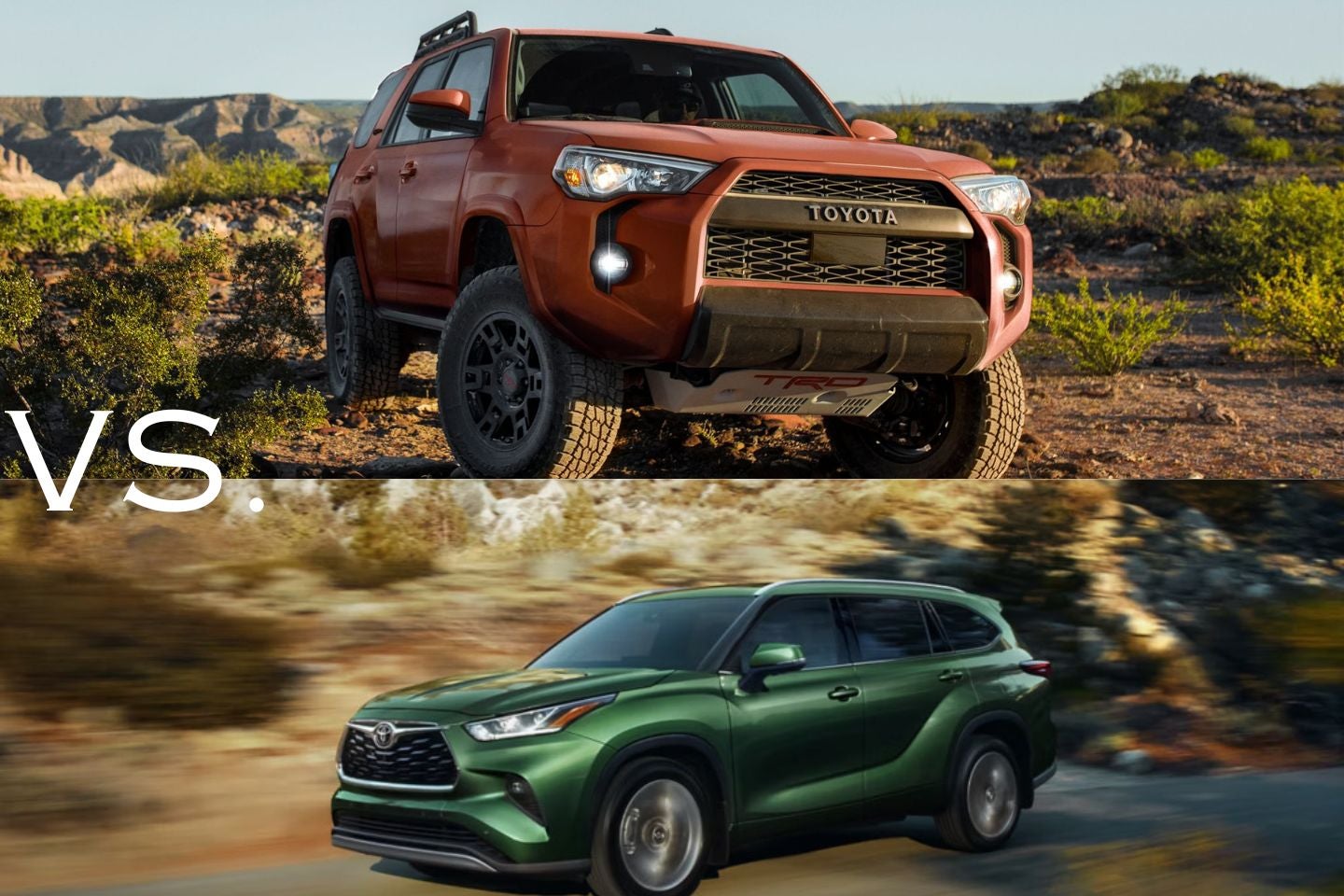
2026 Toyota 4Runner vs. 2026 Toyota Highlander: Which SUV Is Right for You?
The 2026 Toyota 4Runner and 2026 Toyota Highlander are both capable midsize SUVs, but they are designed with very different priorities in mind. The 2026 Toyota 4Runner is the more rugged choice, combining body-on-frame construction, available four-wheel drive, substantial ground clearance, and trail-focused technology. The 2026 Toyota Highlander takes a more family-focused approach with standard three-row seating, standard All-Wheel Drive, a smoother on-road ride, and a choice between gas and hybrid powertrains.
For drivers around Warrenton and the Oregon Coast, choosing between them largely comes down to how the SUV will be used. The 4Runner is particularly well-suited to outdoor adventures, towing, and drivers who regularly venture beyond paved roads. The Highlander is the stronger fit for shoppers who prioritize passenger space, fuel economy, everyday comfort, and convenient three-row versatility.
Performance & Towing
The 2026 Toyota 4Runner offers two powerful turbocharged 2.4-liter powertrains. The standard i-FORCE engine produces 278 horsepower and 317 lb.-ft. of torque and is paired with an eight-speed automatic transmission. Drivers looking for additional output can choose the available i-FORCE MAX hybrid system, which increases performance to 326 net combined horsepower and 465 lb.-ft. of torque. Depending on the configuration, the 4Runner is available with 2WD, part-time 4WD, or full-time 4WD, while i-FORCE MAX models come standard with 4WD.
Towing is another 4Runner strength. When properly equipped, the 2026 4Runner offers a maximum towing capacity of up to 6,000 pounds. Available off-road technologies such as Multi-Terrain Select, CRAWL Control, an electronic locking rear differential on select trims, and the available Stabilizer Disconnect Mechanism further distinguish the 4Runner for drivers who expect to spend time on rugged terrain.
The 2026 Highlander gives drivers a choice between gas and hybrid power. Gas models use a 2.4-liter turbocharged four-cylinder engine producing 265 horsepower and 310 lb.-ft. of torque, paired with an eight-speed automatic transmission. The Highlander Hybrid combines a 2.5-liter four-cylinder engine with Toyota's hybrid system for 243 net combined horsepower. One of the biggest changes for 2026 is that All-Wheel Drive is now standard across the entire Highlander lineup, including both gas and hybrid models.
Gas-powered Highlander models can tow up to 5,000 pounds when properly equipped, while Highlander Hybrid models are rated to tow up to 3,500 pounds. The Highlander therefore provides plenty of capability for many everyday towing needs, while the 4Runner has the higher maximum rating and a more trail-focused platform.
Interior, Cargo & Seating
The differences between the 4Runner and Highlander become even clearer inside. Most 4Runner configurations use a two-row, five-passenger layout, while available third-row seating on select gas-powered models increases capacity to as many as seven passengers. Two-row gas models can provide up to 90.2 cubic feet of cargo space with the rear seats folded, making the 4Runner particularly useful for carrying camping equipment, outdoor gear, luggage, and other bulky items. Cargo capacity varies by powertrain and seating configuration, with i-FORCE MAX hybrid models providing less maximum cargo room because of the hybrid system packaging.
The Highlander is designed around three-row passenger versatility. The 2026 model seats seven with second-row captain's chairs, while select configurations offer a second-row bench that increases capacity to as many as eight passengers. With the second and third rows folded, the Highlander provides up to 84.3 cubic feet of maximum cargo space. It also offers 16 cubic feet behind the third row, giving families usable cargo room even when all three rows are carrying passengers.
Both SUVs offer modern comfort and technology, but their cabins reflect their different missions. The 4Runner combines rugged design with available upscale features such as a 14-inch Toyota Audio Multimedia touchscreen and heated and ventilated front seats on select grades. The Highlander places greater emphasis on family-oriented comfort with available leather-trimmed seating, an available panoramic moonroof, available heated and ventilated front seats, and an available 12.3-inch Toyota Audio Multimedia touchscreen.
Safety & Technology
Both SUVs include a broad range of Toyota driver-assistance technology, although they use different generations of the Toyota Safety Sense suite. The 2026 4Runner comes standard with Toyota Safety Sense 3.0, while the 2026 Highlander comes standard with Toyota Safety Sense 2.5+. Depending on the model, these systems provide technologies designed to assist with collision avoidance, lane awareness, adaptive cruise control, and other common driving situations.
Both models also offer wireless Apple CarPlay and Android Auto compatibility through Toyota Audio Multimedia. The 4Runner is available with technology that supports its adventurous character, including a Multi-Terrain Monitor and available towing technology. The Highlander offers family-friendly available features such as a 12.3-inch digital gauge cluster, Panoramic View Monitor, and JBL premium audio system on select grades. Feature availability varies by trim and configuration.
Off-Road Capability vs. Everyday Driving
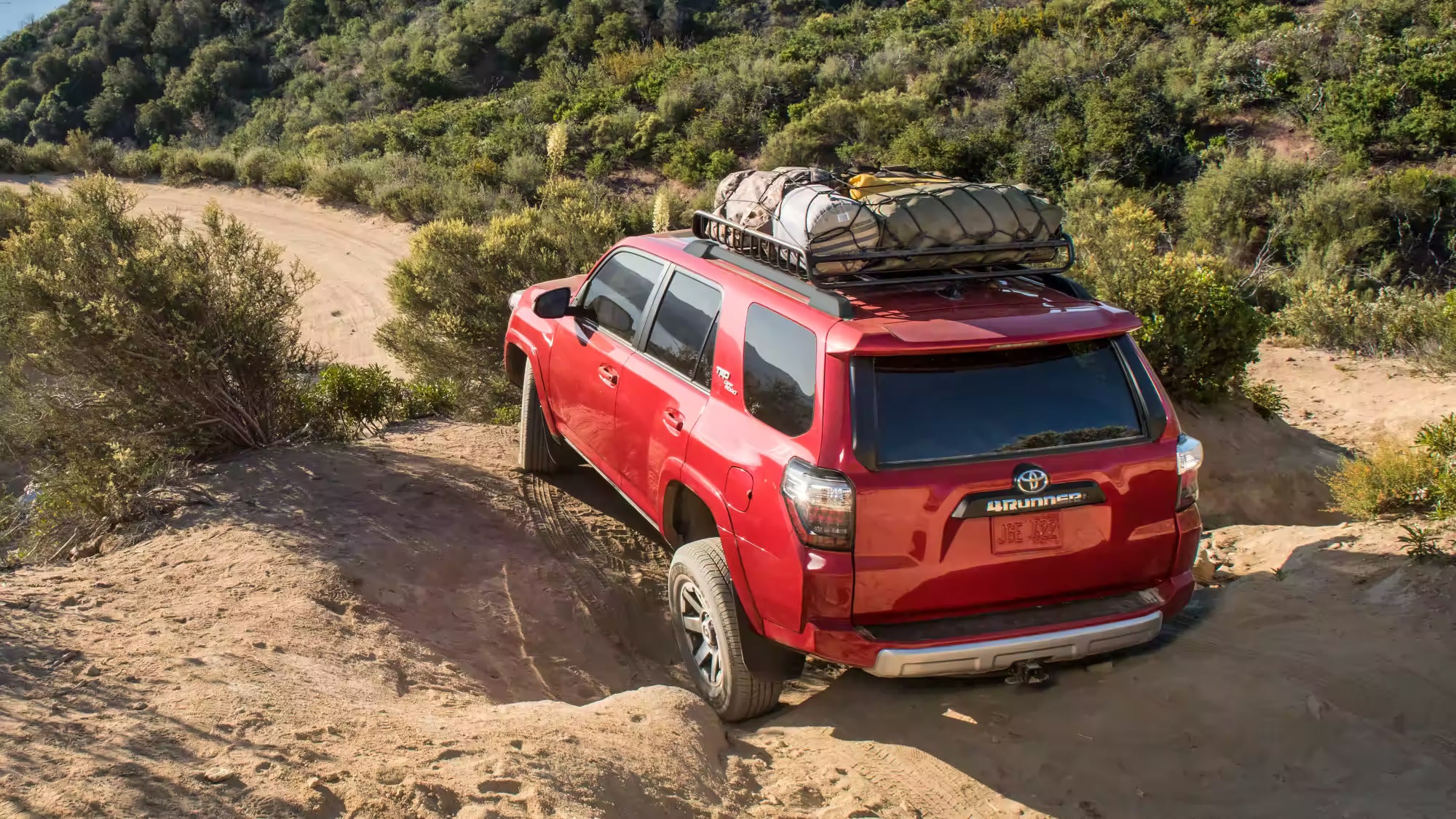
The 2026 4Runner has the clear advantage when off-road performance is a major priority. Its TNGA-F body-on-frame platform is shared with other rugged Toyota trucks and SUVs, and available equipment includes part-time or full-time 4WD, an electronic locking rear differential, Multi-Terrain Select, CRAWL Control, and off-road-focused suspension hardware on select grades. Ground clearance can reach up to 10.1 inches, helping the 4Runner navigate uneven trails and other challenging terrain.
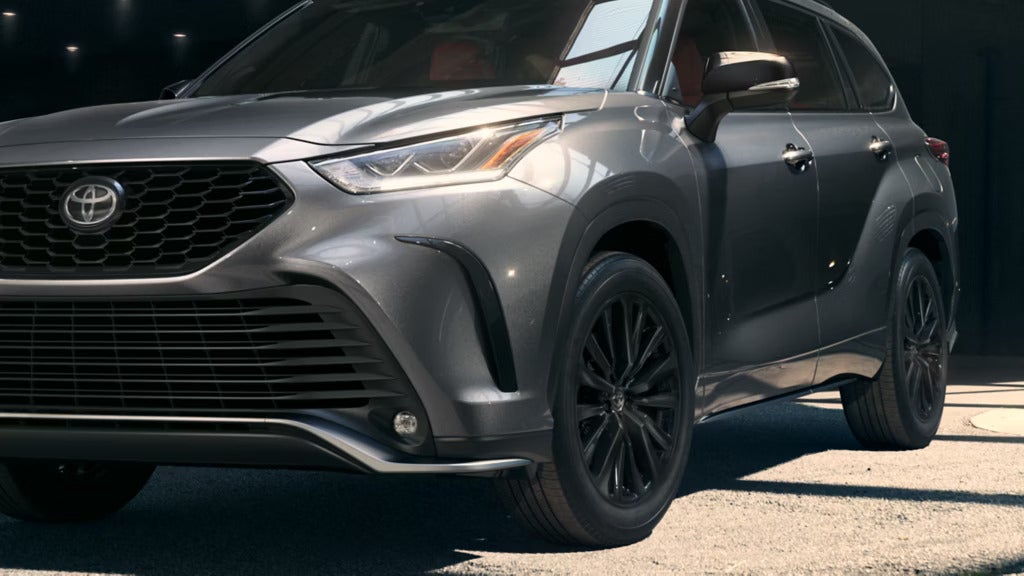
The 2026 Highlander takes a different approach. Its unibody construction is designed to provide composed handling and a comfortable ride during daily driving, commuting, and highway trips. Standard AWD for 2026 provides additional traction for wet or changing road conditions, which can be useful for drivers traveling throughout the Pacific Northwest. Gas Highlander models also offer Multi-Terrain Select, but the Highlander is not intended to provide the same level of dedicated trail capability as off-road-focused 4Runner configurations.
In practical terms, the 4Runner is the stronger choice for drivers who regularly head onto trails, tow recreational equipment, or want the capability associated with a body-on-frame SUV. The Highlander is better suited to drivers who spend most of their time on pavement and prioritize a comfortable three-row cabin, efficient daily driving, and easy family usability.
2026 Toyota 4Runner vs. 2026 Toyota Highlander at a Glance
| 2026 Toyota 4Runner | 2026 Toyota Highlander |
|---|---|
| Seating for 5 or up to 7, depending on configuration | Three-row seating for 7 or up to 8, depending on configuration |
| 2.4L turbo i-FORCE or available i-FORCE MAX hybrid | 2.4L turbo gas engine or 2.5L hybrid system |
| 278 hp and 317 lb.-ft. of torque with i-FORCE; up to 326 net combined hp and 465 lb.-ft. with i-FORCE MAX | 265 hp and 310 lb.-ft. of torque with gas engine; 243 net combined hp with hybrid system |
| 8-speed automatic transmission | 8-speed automatic on gas models; electronically controlled continuously variable transmission on hybrid models |
| Up to 6,000 lbs. of towing capacity when properly equipped | Up to 5,000 lbs. with gas powertrain; up to 3,500 lbs. with hybrid powertrain |
| Up to 90.2 cu. ft. of maximum cargo space, depending on configuration | Up to 84.3 cu. ft. of maximum cargo space |
| Available 2WD, part-time 4WD, or full-time 4WD depending on configuration | AWD standard across the 2026 lineup |
| Up to an estimated 23 combined mpg, depending on configuration | Manufacturer-estimated 24 combined mpg for gas models or 35 combined mpg for hybrid models |
| Up to 10.1 inches of ground clearance | 8.0 inches of ground clearance |
| Toyota Safety Sense 3.0 standard | Toyota Safety Sense 2.5+ standard |
Should You Choose the Toyota 4Runner or Toyota Highlander?
Choose the 4Runner if off-road capability, towing strength, ground clearance, and rugged versatility are near the top of your list. Its available 4WD systems and trail-focused equipment make it a natural choice for camping trips, outdoor recreation, towing, and exploring beyond paved roads. It also provides substantial cargo capacity when configured as a two-row SUV.
Choose the Highlander if you need three rows more regularly and place a greater emphasis on passenger comfort, fuel economy, and everyday driving. Its available hybrid powertrain can achieve a manufacturer-estimated 35 combined mpg, and standard AWD adds traction without requiring shoppers to move into a specific drivetrain configuration. For families who routinely use the third row, the Highlander's passenger-focused layout and cargo space behind that row are important advantages.
Neither SUV is simply a larger or smaller version of the other. The 4Runner is designed primarily around rugged capability, while the Highlander emphasizes family-friendly versatility and road comfort. Identifying which of those priorities matters more is the best way to narrow down the choice.
Compare the Toyota 4Runner & Toyota Highlander at Lum’s Toyota
When you’re ready to compare these Toyota SUVs in person, visit Lum’s Toyota in Warrenton. Explore the 2026 Toyota 4Runner and browse our current Toyota Highlander inventory to see which models and configurations are currently available. A test drive can help you compare visibility, passenger space, ride quality, technology, and driving feel in a way specifications alone cannot.
Our team can also help you compare powertrains, trim levels, towing needs, financing options, and the value of your current vehicle. Whether the trail-ready capability of the 4Runner or the comfortable three-row versatility of the Highlander better fits your needs, Lum’s Toyota can help you find the right Toyota SUV for driving in Warrenton, Astoria, Seaside, and throughout the Oregon Coast.